CO2BioClean celebrates six month anniversary of ground-breaking technology pilot plant inauguration
The award-winning German start-up company produces PHA from CO2 emissions which it then turns into polymer film for bioplastics and biotextiles manufacturing.
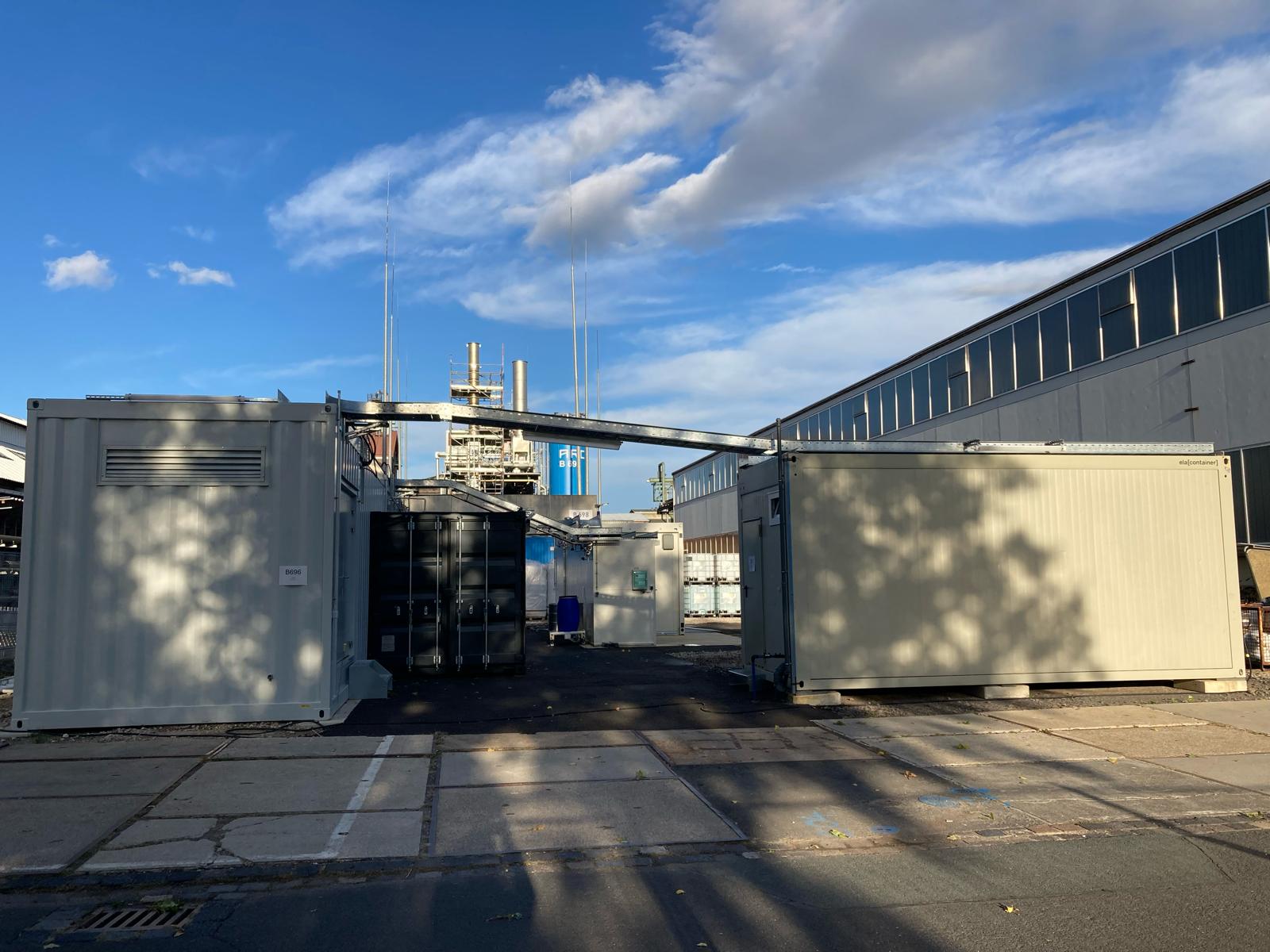
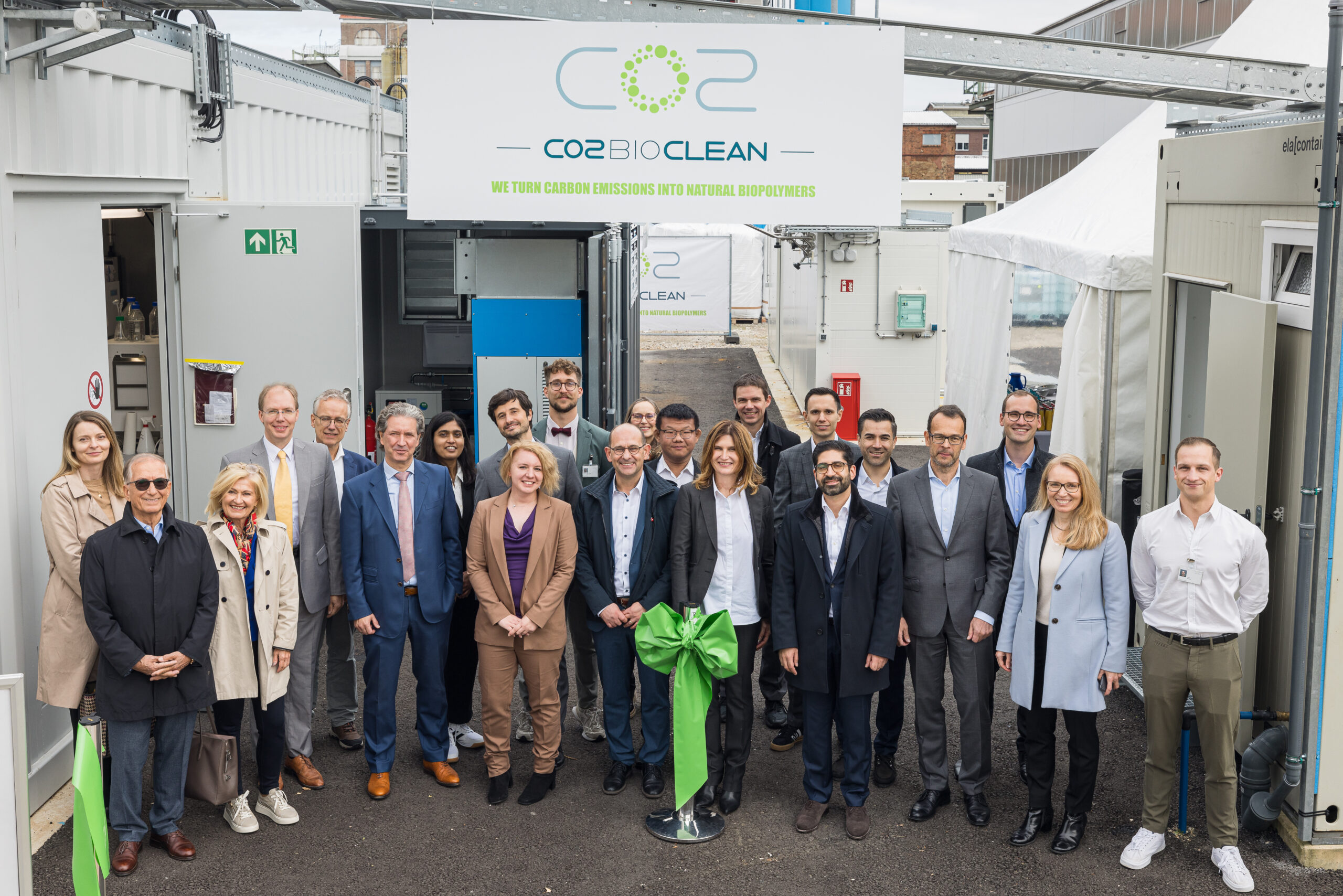
Eschborg (Germany), 14 April 2025 – Today marks the six-month anniversary of the inauguration by the State Minister of Economic Affairs, Transport and Housing of the Government of Hesse, the Honourable Mr Kaweh Mansoori of the CO2BioClean pilot plant in Höchst Industrial Park, near Frankfurt, Germany, where the ground-breaking process of producing PHA from CO2 emissions is being successfully completed.
This milestone is extremely important but also gratifying for the company and in particular for its CEO Dr Fabiana Fantinel.
“In these months, we have run the pilot plant without interruptions and breakages, producing PHA using CO2 and some hydrogen as feedstocks, proving a concept which, five years ago, was just a plan” she explains. “The technology works, and we are really proud of this. We have shown that the polymer is carbon negative, demonstrating the massive ecological benefits of the process. We have worked continually to refine the process, make it more efficient and ensure that the outputs are fit for purpose. Making a material out of thin air is a complex process and that we are achieving a high quality product shows that our team and technology is working well. We have developed, in collaboration with partners, and been testing several materials and prototypes. These are destined for the agricultural market (biodegradable tree guards) and remediation purposes, for packaging (PHA films), for cosmetics (biodegradable microbeads), and for textiles which fall within the EIC funded programme CO2TEXTILE.
“We have undertaken all these tests with companies that are household names”, she continues “testifying to the interest there is in a carbon negative, biodegradable polymer. In some cases product validation has been completed. Most importantly, we have gathered together a great team of technically qualified people to drive these programmes forward. A special mention to Dr Kudrat Karimi who is the project leader of the planning team from the VTU GmbH company, who has successfully worked with us.”
“Crucially also, we have been supported by wonderful investors who continue to do so as we move forward to our next stage of progress.”
You can follow the company’s progress on LinkedIn and get more information on their website www.co2bioclean.com.
For further information, contact:
CO2BioClean press office at comms@co2bioclean.com cell: +44 (0)743 584 0357
Notes to editors
• About CO2BioClean
Founded in 2019 by Dr. Fabiana Fantinel and Alessandro Carfagnini, CO2BioClean is an innovative start-up based in Eschborn, Germany, developing a fermentation process that converts carbon dioxide mixed with hydrogen and some biomass into biodegradable plastic. By capturing the required CO2 before it is released into the atmosphere, CO2BioClean addresses not only plastic pollution but also industrial emissions of CO2.
CO2BioClean was awarded the “Seal of Excellence” by the EU Commission in 2020 and in 2021 received a research grant from European Innovation Council (EIC).
• About the CO2BioClean technology
The company uses naturally occurring, non-pathogenic bacteria to convert CO2 to the biopolymer polyhydroxyalkanoate (PHA) in a redox reaction. This is achieved by using the CO2 generated by CO2BioClean customers and capturing it before it is released into the atmosphere. The biopolymers obtained are then processed into filaments, which can be completely and naturally biodegraded within a year.
• About the Industriepark Höchst
The 4.6 square kilometre Industriepark Höchst is one of the largest research and production sites for the chemical and pharmaceutical industry in Europe, with more than 90 companies and around 20,000 employees. In addition to internationally active companies, various innovative start-ups are also based at Industriepark Höchst, as they find the ideal conditions here to further develop future technologies.